

Unveiling the Role of Technology in Creative Design Processes
Technology and creative design processes have become inseparable partners in the modern world. Honestly, it’s fascinating to see how digital tools and innovations have transformed the way we approach creativity. From brainstorming ideas to delivering polished final products, technology is reshaping every step of the journey. If you’ve ever wondered how this fusion works or how it can elevate your projects, you’re in the right place. Let’s dive into the dynamic relationship between technology and creative design.
How Technology Enhances Creative Design Processes
We start with the basics. Creative design processes traditionally involved sketching, prototyping, and endless revisions on paper or physical models. Now? Technology has turbocharged these steps, making them faster, more flexible, and often more fun.
Digital Sketching and Conceptualization: Tools like Adobe Illustrator, Procreate, and Sketch allow designers to experiment with ideas instantly. No more messy erasers or starting over from scratch.
3D Modeling and Prototyping: Software such as Blender, Rhino, and Autodesk Fusion 360 enable designers to create detailed 3D models. This means you can visualize and tweak your design before it even exists physically.
Collaboration Platforms: Cloud-based tools like Figma and Miro let teams work together in real-time, regardless of location. This is a game-changer for startups and SMEs who want to stay agile.
Automation and AI: AI-powered tools can generate design suggestions, automate repetitive tasks, and even analyze user data to inform design decisions.
These advancements don’t just speed things up; they open doors to new creative possibilities that were unimaginable a decade ago.

The Impact of Technology on Creative Design Processes
Technology doesn’t just support creativity; it actively shapes it. When you integrate tech into your workflow, you’re not just using new tools—you’re adopting a new mindset.
Increased Experimentation and Iteration
With digital tools, you can try out multiple ideas quickly without wasting resources. This encourages a culture of experimentation. For example, rapid prototyping with 3D printers or virtual reality environments lets you test concepts in real-world scenarios before committing.
Enhanced Precision and Quality
Precision is crucial in design, especially when it comes to product R&D or installations for exhibitions. Technology ensures that measurements, colors, and materials are accurately represented, reducing errors and improving the final output.
Accessibility and Inclusivity
Tech democratizes design. Even small companies or startups with limited budgets can access powerful tools and platforms. This levels the playing field and fosters diverse creative voices.
Data-Driven Creativity
Analytics and user feedback tools provide insights that inform design choices. This means your creative decisions can be backed by real-world data, making your projects more effective and user-centered.
If you want to see this in action, check out the work of eitan rieger design berlin. Their approach perfectly blends art and technology, pushing creative boundaries to craft innovative experiences.
Exploring Cutting-Edge Technologies in Creative Design
Now, let’s geek out a bit and explore some of the coolest tech trends shaping creative design today.
Virtual Reality (VR) and Augmented Reality (AR)
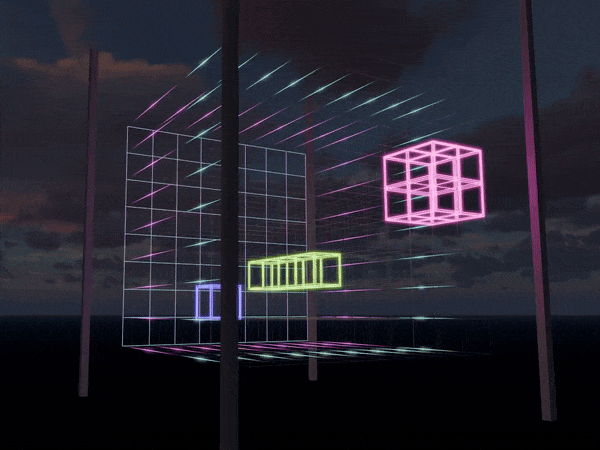
VR and AR are revolutionizing how we experience design. Imagine walking through a virtual exhibition or seeing a product prototype in your living room before it’s made. These immersive technologies allow for interactive presentations and deeper engagement.
Artificial Intelligence (AI) and Machine Learning
AI isn’t just about automation; it’s becoming a creative partner. Tools like DALL·E and Runway ML can generate visuals based on prompts, assist in video editing, or even compose music. This collaboration between human creativity and AI expands what’s possible.
Generative Design
Generative design uses algorithms to create multiple design options based on set parameters. It’s like having a brainstorming buddy that never runs out of ideas. This is especially useful in product design and architecture.
Internet of Things (IoT)
IoT connects physical objects to the internet, enabling interactive installations and smart products. Designers can create experiences that respond to user behavior or environmental changes, adding a new layer of creativity.

Practical Tips for Integrating Technology into Your Creative Workflow
Alright, so you’re convinced technology is essential, but how do you actually bring it into your projects without headaches? Here are some actionable recommendations:
Start Small and Scale Up: Don’t try to overhaul your entire process overnight. Begin with one or two tools that address your biggest pain points.
Invest in Training: Technology is only as good as the people using it. Make sure your team has access to tutorials, workshops, or expert guidance.
Embrace Collaboration Tools: Use platforms that allow seamless communication and file sharing. This keeps everyone on the same page and speeds up feedback loops.
Keep User Experience Front and Center: Use data and testing to ensure your designs meet real needs. Technology can help gather this info efficiently.
Partner with Experts: Sometimes, working with a strategic innovation partner like eitan rieger design berlin can save you time and headaches by providing turnkey solutions tailored to your vision.
By following these steps, you’ll harness technology’s power without getting overwhelmed.
Looking Ahead: The Future of Technology in Creative Design
The future? Oh, it’s bright and buzzing with potential. As technology evolves, so will creative design processes. Here’s what I’m excited about:
More Personalized Experiences: AI and data will enable hyper-personalized designs that adapt to individual preferences.
Sustainability Focus: Tech will help designers create eco-friendly products and installations by simulating environmental impact.
Cross-Disciplinary Innovation: Expect more blending of art, science, and tech, leading to groundbreaking new media experiences.
Real-Time Global Collaboration: Advances in connectivity will make remote teamwork feel as natural as sitting in the same room.
The key takeaway? Staying curious and adaptable is your best bet to ride this wave of innovation.
Technology isn’t just a tool in creative design processes; it’s a catalyst that transforms ideas into reality with flair and precision. Whether you’re organizing an event, building a brand, or innovating a product, embracing tech can unlock new dimensions of creativity. And if you want a partner who truly understands this blend of art and technology, eitan rieger design berlin is a name worth knowing. So, why not take that leap and see where technology can take your creative vision next?


Comments